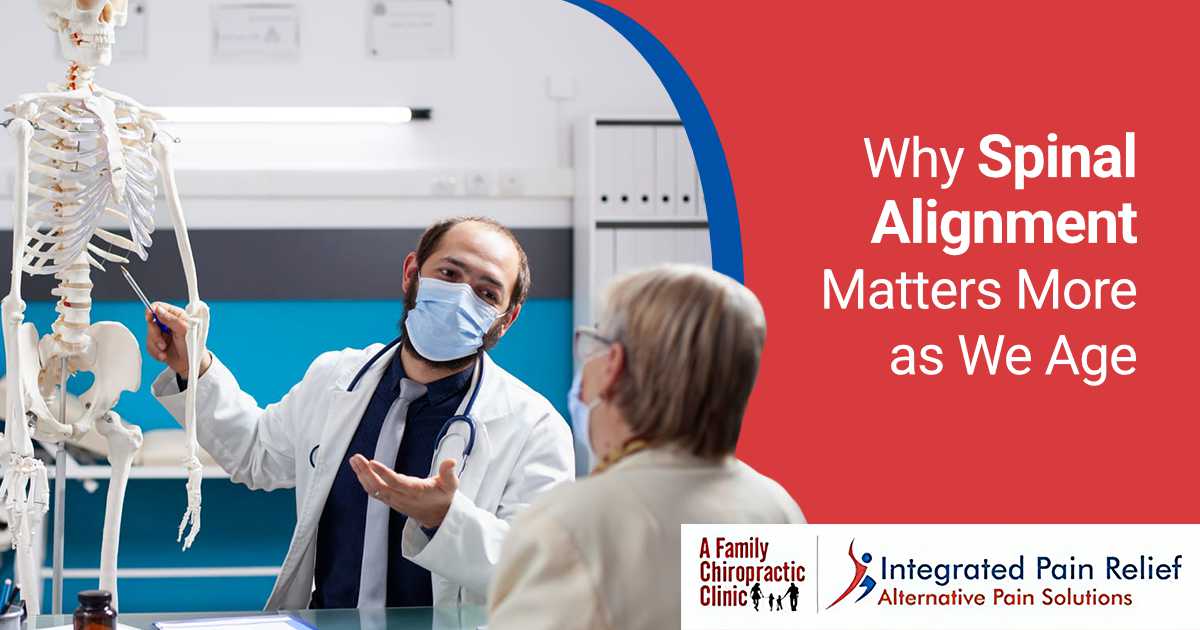
Aging brings natural changes to the body, and the spine is no exception. Over time, vertebrae may experience slight wear, intervertebral discs lose hydration and height, and the muscles supporting the spine gradually weaken. These changes can subtly alter posture, often without noticeable discomfort at first. Even minor shifts in spinal alignment can affect balance, coordination, and the way the body moves during everyday activities. Understanding spinal alignment and aging is essential for adults who want to preserve mobility, maintain independence, and reduce the risk of long-term discomfort.
Spinal Alignment and Aging: How It Changes Over Time
Spinal alignment naturally shifts as adults age due to cumulative changes in vertebrae, intervertebral discs, and supporting muscles. These gradual shifts often occur without immediate discomfort, making it easy to overlook early warning signs. Left unaddressed, even minor misalignments can affect posture, balance, and how the body distributes weight during daily activities. Recognizing these changes early allows adults to adopt proactive strategies to maintain spinal stability and functional independence. By focusing on spinal alignment and aging, adults can support long-term mobility and reduce strain on other joints and muscles.
Vertebral Wear and Disc Health
Intervertebral discs act as cushions between vertebrae, providing flexibility and shock absorption. Over decades, discs lose elasticity and hydration, reducing disc height and causing vertebrae to sit closer together. These subtle changes can lead to forward tilting of the spine or rounding of the upper back, which affects posture and movement efficiency. Maintaining awareness of disc health allows adults to take steps to preserve spinal comfort. Even minor disc degeneration can influence overall spinal alignment and daily function over time.
Muscle Weakness and Postural Support
Core, back, and hip muscles naturally weaken with age, reducing spinal stability. Adults who maintain strength and functional exercise routines often experience better posture and less strain on joints. Weakened muscles can exacerbate spinal misalignment, making compensatory movement patterns more likely. By prioritizing muscle strength, older adults can stabilize their spine and improve balance. This approach supports smoother, more efficient movement and helps prevent injury.
Compensatory Movement Patterns
As spinal alignment shifts, the body may adjust movements in the hips, knees, or shoulders to maintain balance. These compensatory patterns often go unnoticed initially but can contribute to stiffness, fatigue, and discomfort over time. Understanding these patterns allows adults to implement preventive measures, such as targeted exercises or posture awareness strategies. Early recognition can reduce the risk of joint overuse and pain. Proactive management of compensatory movement supports long-term comfort and independence.
Mobility and Aging: Preserving Function Through Spinal Health
Maintaining spinal alignment is essential for preserving mobility and overall function as adults age. Even subtle changes in spinal posture or curvature can restrict range of motion, making everyday tasks more challenging. Reduced mobility can affect reaching, bending, walking, and other essential movements, potentially leading to overuse of other joints and muscles. By focusing on mobility and aging, adults can implement exercise, stretching, and movement strategies to maintain comfort and independence. Supporting spinal health ensures smoother movement, protects joints, and enhances quality of life throughout later years.
Reduced Range of Motion
Misalignment in the spine can limit flexibility in the shoulders, hips, and lower back. Restricted range of motion can make bending, lifting, and reaching more difficult, particularly for older adults. Stretching and mobility exercises can help counteract these effects. Maintaining range of motion also reduces stiffness and supports safer movement in daily activities. Adults who preserve flexibility often maintain better overall functionality.
Impact on Daily Activities
Proper spinal alignment directly influences the ease of performing everyday tasks. Activities such as standing from a chair, turning the torso, or walking longer distances require spinal stability. Misalignment can make these movements more tiring or less efficient. Adults with better spinal health experience smoother, more coordinated movements throughout the day. Maintaining alignment supports independence and confidence in daily living.
Maintaining Functional Independence
Preserving spinal alignment reduces the need for compensatory movements that can overwork muscles and stress joints. Functional independence relies on smooth, unrestricted movement across multiple joints. Maintaining spinal health allows adults to move more freely and safely. Consistent attention to posture, mobility, and alignment fosters long-term comfort and reduces fall risk. Adults who invest in spinal care often enjoy a higher quality of life.
Posture Changes Over Time: Signs to Monitor
Aging often brings subtle postural changes that can affect balance, comfort, and overall body mechanics. Forward head posture, rounded shoulders, and increased spinal curvature are common shifts that develop gradually over time. Even minor adjustments in posture can affect weight distribution, joint stress, and movement efficiency. Monitoring these changes allows adults to implement preventive strategies, such as exercise, stretching, or professional guidance. Early awareness of posture changes supports long-term mobility and reduces the risk of discomfort or injury.
Forward Head Position
Forward head posture increases tension on neck muscles, contributing to chronic discomfort. Over time, this posture can affect shoulder movement and upper back alignment. Awareness and corrective exercises can reduce strain and improve comfort. Even small adjustments in posture can positively impact overall spinal alignment. Maintaining head position awareness supports functional movement in daily activities.
Rounded Shoulders
Gradual rounding of the shoulders shifts the spine forward, impacting weight distribution and balance. This posture change may increase fatigue and reduce efficiency in reaching or lifting tasks. Targeted stretching and strengthening exercises can improve shoulder alignment. Adults who address rounding of the shoulders often experience less strain on their back and neck. Proper shoulder posture also supports coordination and smoother movement throughout the day.
Spinal Curvature Alterations
Loss of disc height and weakening muscles can increase spinal curvature in the upper or lower back. Even minor curvature changes can affect comfort, movement efficiency, and joint stress over time. Maintaining awareness of spinal curvature allows adults to take proactive steps to support alignment. Stretching, mobility exercises, and professional guidance can help manage age-related curvature changes. Supporting spinal alignment contributes to balance, stability, and long-term functionality.
Joint Health and Balance: How Spinal Alignment Matters
Proper spinal alignment supports joint health and overall balance, particularly for adults aiming to maintain long-term mobility. Misalignment can place uneven stress on hips, knees, and ankles, contributing to discomfort and accelerated wear. Small shifts in spinal posture can alter the body’s center of gravity, making walking, turning, and standing more challenging. Adults who maintain alignment support efficient muscle engagement, reduce compensatory movements, and improve coordination. Prioritizing spinal alignment helps protect joints, maintain balance, and preserve independence as mobility changes with age.
Stress on Hips and Knees
Poor spinal alignment can create uneven forces on lower-body joints, contributing to discomfort and wear. Over time, these forces may increase the risk of joint degeneration. Awareness of these stresses allows adults to implement preventive strategies. Exercise, stretching, and professional guidance can reduce joint strain. Maintaining alignment ensures smoother, more efficient movement and joint protection.
Center of Gravity and Stability
Even minor spinal misalignment affects the body’s center of gravity. This can influence reaction time, coordination, and overall stability during movement. Supporting proper alignment ensures that adults move with greater control and balance. Efficient posture helps reduce the risk of falls and overuse injuries. Maintaining spinal health promotes confidence and functional safety in daily activities.
Fall Prevention Strategies
Proper spinal alignment is a key factor in fall prevention for adults over 40. Misalignment can affect stability, coordination, and the ability to react quickly to changes in balance. Maintaining spinal support helps adults move more confidently and safely. Strengthening, stretching, and posture awareness all contribute to reducing fall risk. Spinal health practices provide both physical protection and improved quality of life.
Strategies for Supporting Spinal Health With Age
While some changes in spinal alignment are inevitable, proactive strategies can preserve mobility, comfort, and independence. Strength training, stretching, and posture awareness help maintain muscles that stabilize the spine and reduce stiffness. Daily routines that support spinal health prevent minor misalignments from developing into major postural issues. Professional guidance can complement home strategies, providing targeted support for long-term alignment. By taking these proactive steps, adults can maintain functional independence and enjoy greater ease in daily activities.
Maintaining Muscle Strength
Strengthening core, back, and hip muscles supports spinal stability and reduces stress on joints. Regular exercise helps improve posture and maintain mobility. Muscle strength also reduces fatigue and prevents compensatory movement patterns. Adults who prioritize strength training often experience smoother, more coordinated movements. Maintaining strong muscles enhances long-term spinal support and comfort.
Prioritizing Flexibility
Stretching and mobility exercises maintain range of motion and reduce stiffness in the spine. Gentle yoga, Pilates, or targeted routines help improve flexibility and comfort. Maintaining flexibility supports better posture and more efficient movement. Adults who practice regular stretching often experience fewer aches and improved functional capacity. Consistent mobility work protects joints and enhances overall quality of life.
Professional Support and Long-Term Care
Adults seeking to preserve spinal health may benefit from professional guidance. Spinal assessments and support, including chiropractic adjustments, can complement exercise and lifestyle strategies. Professional care helps maintain alignment and manage age-related postural changes. Guidance can reduce discomfort and improve functional movement. Integrating professional support ensures long-term spinal health and stability.
Take Steps Toward Long-Term Spinal Health
Aging doesn’t mean accepting poor posture or limited mobility. Adults can take practical steps to maintain spinal alignment through strength training, stretching, and professional support. Being proactive enhances balance, joint comfort, and overall independence. For personalized advice or to schedule a consultation, call 940-566-0000 or request a consultation online.