An image of an elderly man in a contemplative pose, symbolizing thoughtfulness. In the background, there's a sign indicating 'A Family Chiropractic Clinic.' The focal point of the image is the text 'Can a Chiropractor Treat a Bulging Disc?' This alt text complements the context of the page by illustrating the theme of chiropractic care and addressing a specific concern about bulging discs.

When you have pain in your back, it can be debilitating. Many people seek different treatments to deal with their pain. One of those treatments includes seeing a chiropractor.  If you’ve just started dealing with the pain of a bulging disc, you may not be as familiar with it or the treatments that are available. Let’s take a look at what it is and how a chiropractor can treat a bulging disc.

What is a Bulging Disc?

A bulging disc occurs when a disc in your back swells through the spine or bulges out of its normal location. Bulging discs can be difficult to diagnose because patients don’t always feel pain at the source of the problem. Bulging discs can be especially painful when the disc presses against a nerve in the spine. They can occur anywhere along the spine from the neck down to the lower back. Bulging discs can also put pressure on nearby nerves leading to pain in those affected areas as well.

As you may know, your spinal column is comprised of stacked vertebral bones. In between the vertebrae, soft cartilage discs are there to cushion them as we move. Each disc has its own tough outer cartilage that is shaped to fit right between the vertebrae it’s meant to cushion. When a disc begins to bulge, it may start to lose their shape and protrude beyond it’s supposed to be.

Causes of a Bulging Disc

While bulging discs may have many different causes, it’s important to remember that they are rarely caused by an accident or trauma.

Here are several possible causes:

Wear and tear or age. The discs in our back can suffer from wear and tear. Over time our spinal discs lose some of their water content. This leads to them being less flexible and more prone to problems and can cause them to bulge.

Bad posture. If you sit, stand, or sleep the wrong way, it can put a strain on your neck and back. This can also lead to a bulging disc.

Carrying or lifting a heavy object. When you lift a heavy object, too much repeated pressure on your back can lead to a bulging disc.

Wearing shoes with no support. When you wear shoes that have no orthopedic support, you put yourself at risk of injuring your back and developing a bulging disc.

Being Overweight. Being overweight can put added strain on your back, leading to a bulging disc.

What are the symptoms of a bulging disc?

How do you know if you just have a backache or if it’s something more serious like a bulging disc? Many times people who are experiencing a bulging disc may have had the pain over an extended period of time and never realized what it is. Here are symptoms to look for:

  • Pain or tingling in the neck, shoulders, arms or fingers
  • Pain in the upper back that radiates to the chest or stomach
  • Muscle spasms
  • Shooting pain down only one side of the leg which can affect the sciatic nerve. In extreme cases, a bulging disc can affect bladder or bowel function and may lead to paralysis from the waist down. Any of these symptoms require emergency treatment.

If you’re experiencing any of these symptoms over time, call your doctor. They may order a CT scan or MRI to confirm a diagnosis. Other tests may be done to test reflexes. The doctor will also press on your spine to see if there is any tenderness.

Treatment for bulging discs

To treat bulging discs, you need to treat the pain. This can include:

  • Anti-inflammatory medicines. These can be over-the-counter or by prescription, depending on the pain level.
  • Heat therapy. This can reduce muscle strain if muscles are affected. If it is a case of inflammation only, then cold therapy is the better course of treatment.
  • Lifestyle changes. This can include losing weight or improving your posture to alleviate the pressure on your back.
  • Exercise. Some mild forms of exercise may be recommended to help people regain mobility.

Can a chiropractor treat a bulging disc?

Chiropractic care is a natural, non-invasive treatment that helps many patients feel better. A chiropractor will look at your entire spine when you seek treatment. They will look to see if there are issues somewhere else in the spine that are adding stress to the strained disc.

Chiropractors often use adjustment methods to address joint restriction and dysfunction. This can help to relieve symptoms and help patients get moving again. They also know how to safely stretch the spine. This can help to move the disc off the nerve and relieve some of the pressure and pain from the nerve root and lower inflammation caused by the bulging disc.

Many people seek chiropractic care because it is a drug-free way to get rid of the pain. It can also help patients to avoid surgery which can lead to a long recovery period. Chiropractic care can be a positive way to relieve pain caused by a bulging disc.

Let A Family Chiropractic Clinic Treat Your Bulging Disc

At a Family Chiropractic Clinic, we can help treat your bulging disc. Our experienced team will assess your pain and develop the best treatment plan for you. Our chiropractors know that each patient’s pain is different and caused by a variety of circumstances. We will work with you to pinpoint your problem. There is a variety of services available to help you feel better.

Call A Family Chiropractic Clinic at (940) 566-0000 to get the pain relief you deserve. Let us help you get back on track the right way!

For questions or special offers

If you prefer not to call, you can email us using the form below. We do our best to answer quickly. Please do not use this form to cancel appointments. Please call our office for appointment changes or to cancel.

Contact Us

No mobile information will be shared with third parties/affiliates for marketing/promotional purposes. All the above categories exclude text messaging originator opt-in data and consent; this information will not be shared with any third parties.

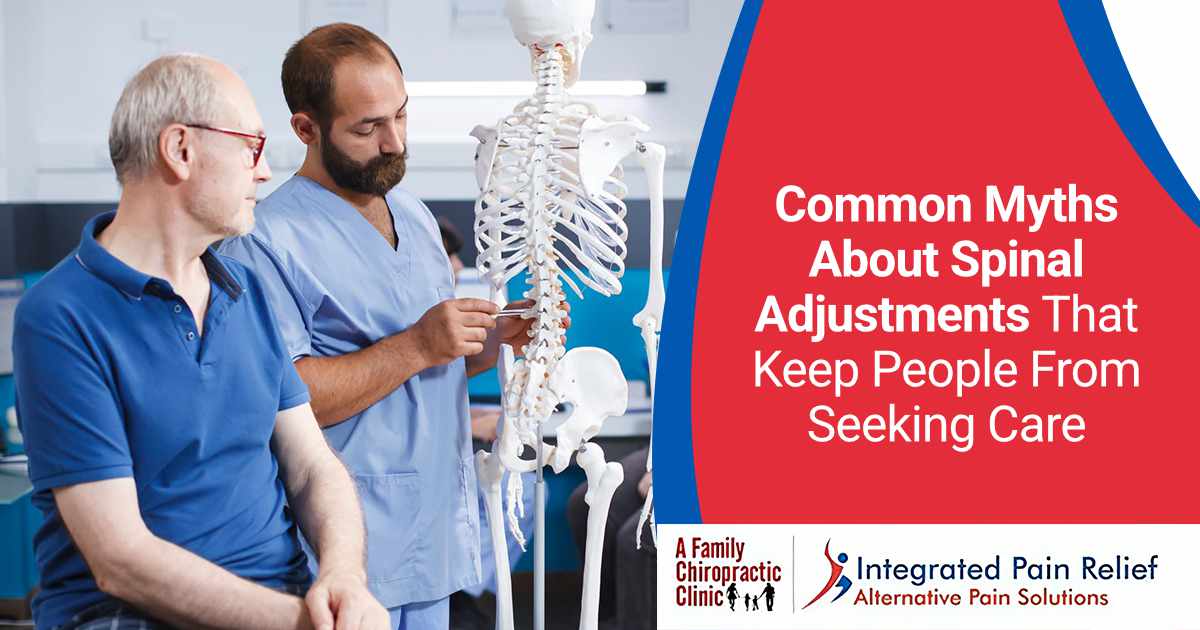
Doctor at A Family Chiropractic Clinic explaining the spinal cord to a patient, illustrating common myths about spinal adjustments that prevent people from seeking care.

Common Myths About Spinal Adjustments That Keep People From Seeking Care

Spinal adjustment myths continue to influence how many people view spinal care, often creating hesitation before professional consultation. These beliefs are frequently...
Orthopedist examining a patient's knee reflex at A Family Chiropractic Clinic, illustrating early warning signs of knee degeneration that are often overlooked.

Early Warning Signs of Knee Degeneration People Often Ignore

Knee degeneration often begins subtly, with changes that many adults overlook. Early signs of knee degeneration may present as mild stiffness, occasional discomfort, or...
Cosmetologist performing PRP therapy on an woman to treat hair loss, featured by A Family Chiropractic Clinic, illustrating what makes PRP different from steroid injections.

What Makes PRP Different From Steroid Injections?

Patients exploring options for managing chronic pain or inflammation are often presented with injectable treatments as part of non-surgical care. Two commonly discussed...
Doctor at A Family Chiropractic Clinic explaining spinal health to a patient, illustrating why spinal alignment becomes increasingly important with age.

Why Spinal Alignment Matters More as We Age

Aging brings natural changes to the body, and the spine is no exception. Over time, vertebrae may experience slight wear, intervertebral discs lose hydration and...
Man holding his knee in discomfort, highlighting knee pain after inactivity, featured by A Family Chiropractic Clinic, explaining why knee pain often flares following periods of rest.

Why Knee Pain Often Flares After Periods of Inactivity

Knee pain after sitting is a common issue for individuals who spend long periods inactive, such as office workers, retirees, or anyone with a sedentary lifestyle. The...
Doctor and nurse attending to a patient in a hospital room, representing A Family Chiropractic Clinic and illustrating how the body uses platelets in the healing process.

How the Body Uses Platelets in the Healing Process

Platelets and healing are closely connected through the body’s natural repair systems. When tissue is stressed or damaged, platelets respond quickly, forming early...
A sore man with back pain, highlighting spine problems and lumbar issues, representing how spinal health affects the nervous system, featured by A Family Chiropractic Clinic, in context of How the Spine Affects the Nervous System Beyond Pain Relief.

How the Spine Affects the Nervous System Beyond Pain Relief

The spine and nervous system work together to support how the body functions, adapts, and maintains internal balance. Beyond posture or pain, the spine’s main role is...
Person experiencing knee pain. Featured by A Family Chiropractic Clinic, illustrating how knee pain can originate outside the knee.

How Knee Pain Can Originate Outside the Knee

Knee discomfort is frequently assumed to originate solely from issues within the joint itself, such as cartilage wear, ligament injury, or inflammation. However,...
Image of a back view of a Caucasian woman stretching her arms in a side-bending yoga pose indoors, featuring A Family Chiropractic Clinic and highlighting reducing inflammation naturally through movement and alignment.

Reducing Inflammation Naturally: Why Movement and Alignment Matter

Chronic inflammation is a growing concern for many adults, often linked to ongoing pain, stiffness, or fatigue that disrupts daily life. While medications can provide...
Image of a woman massaging her painful hand due to numbness or discomfort after sleep, featuring A Family Chiropractic Clinic and highlighting why more Denton residents are turning to non-drug relief for diabetic nerve pain.

Why More Denton Residents Are Turning to Non-Drug Relief for Diabetic Nerve Pain

Living with diabetic nerve pain can make even simple tasks feel challenging. Many adults in Denton, TX, who have diabetes experience persistent tingling, numbness, or...