Platelet-rich plasma (PRP) therapy is an innovative treatment using a patient’s blood to promote healing and recovery. Widely recognized in alternative medicine, PRP therapy has gained popularity for enhancing the body’s natural healing process. This minimally invasive procedure is now commonly used to address a range of conditions, from orthopedic injuries to chronic pain, offering a safe and effective alternative to traditional treatments.
What Is Platelet-Rich Plasma Therapy?
Understanding Platelets and Plasma
Platelet-rich plasma is derived from blood, a vital fluid in the body that consists of plasma, red blood cells, white blood cells, and platelets. Plasma is the liquid component that carries nutrients, hormones, and proteins, while platelets are responsible for blood clotting and play a critical role in tissue repair and regeneration.
How PRP Therapy Works to Heal Your Body
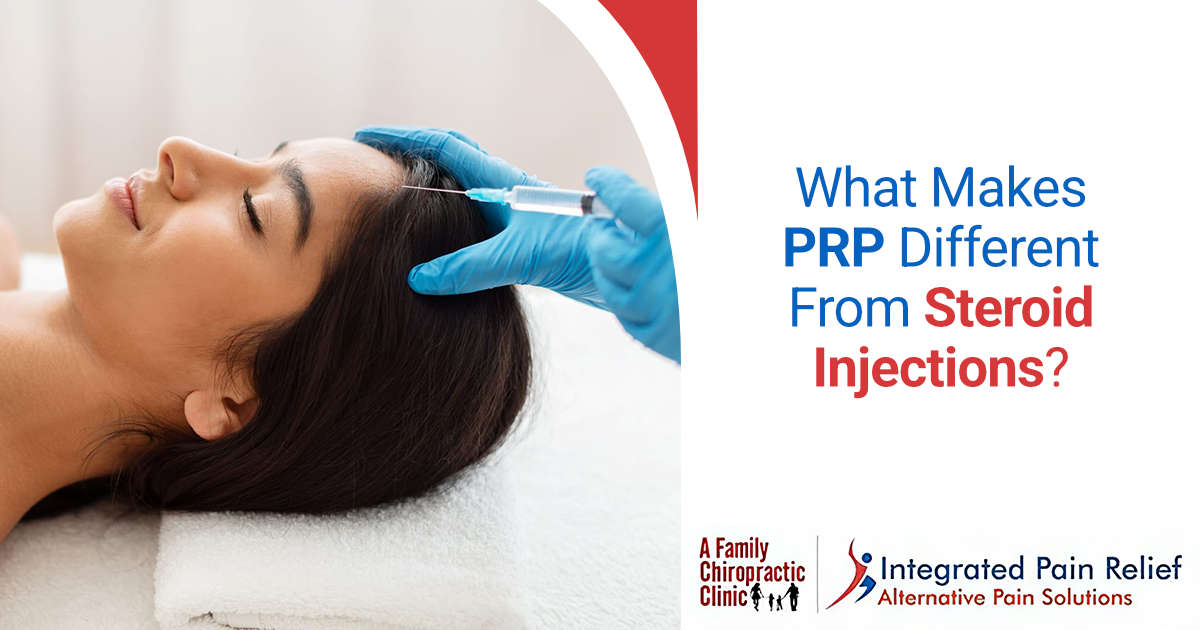
PRP therapy involves taking a small sample of the patient’s blood, which is then processed in a centrifuge to separate and concentrate the platelets. The resulting platelet-rich plasma is injected into the area of injury or pain, stimulating the body’s healing response. The high concentration of platelets delivers growth factors that encourage tissue repair, reduce inflammation, and accelerate recovery.
This therapy is particularly beneficial for those seeking natural healing options. It utilizes the body’s own resources, minimizing the risks of adverse reactions or complications.
Common Applications of Healing Using Platelet-Rich Plasma
Orthopedic Conditions and Injuries
Healing using platelet-rich plasma is particularly effective in treating various orthopedic conditions and injuries. PRP therapy is commonly used to manage the following:
- Osteoarthritis: PRP can help reduce inflammation and promote cartilage repair, making it a valuable option for degenerative joint diseases like knee osteoarthritis.
- Torn Ligaments: The growth factors in PRP support the healing of partially torn ligaments, reducing the need for surgical intervention.
- Tendonitis: Chronic inflammation in tendons, such as Achilles tendonitis, can improve with targeted PRP injections.
Treating Hand, Elbow, and Shoulder Problems
PRP therapy is also used for treating specific joint and soft tissue conditions, including:
- Carpal Tunnel Syndrome: PRP can alleviate the pain and inflammation associated with this common hand condition.
- Golfer’s and Tennis Elbow: These repetitive strain injuries respond well to the regenerative properties of PRP.
- Rotator Cuff and Labral Tears: PRP injections can help recover shoulder injuries, reducing pain and improving function.
This wide range of applications highlights PRP therapy’s versatility in addressing musculoskeletal issues, offering patients a natural and effective healing option.
The PRP Therapy Process
Step 1: Blood Collection
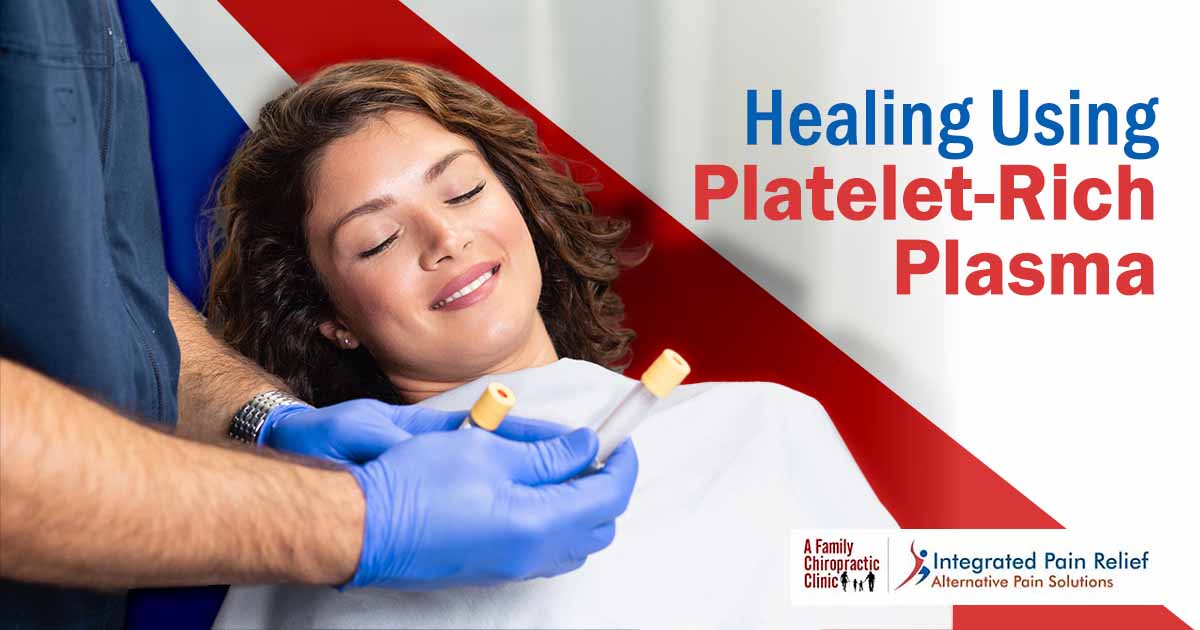
The PRP therapy process begins with a simple blood draw, typically extracting 30 to 60 milliliters (approximately two to four tablespoons) of blood from the patient. This step is quick and performed in the clinic.
Step 2: Centrifugation and Platelet Concentration
The collected blood is placed in a centrifuge that spins the sample at high speeds to separate its components. This process isolates the platelet-rich plasma, which contains three to ten times the normal concentration of platelets and growth factors critical for tissue repair and healing.
Step 3: PRP Injection
Using ultrasound guidance for precision, the platelet-rich plasma is injected into the specific area of pain or injury. Local anesthesia ensures minimal discomfort during the procedure. The injection stimulates a natural healing response by promoting cell regeneration and reducing inflammation.
PRP therapy is typically completed in a single office visit, making it a convenient and efficient option for those seeking a minimally invasive treatment.
Advantages of Healing Using Platelet-Rich Plasma
Natural and Safe Healing Option
PRP therapy utilizes the patient’s blood, reducing the risk of adverse reactions or rejection. This makes it a safer alternative to treatments that involve synthetic substances or medications.
Speeds Up Recovery
The concentrated platelets in PRP injections accelerate the body’s natural healing process. Patients often experience quicker recovery times than those who rely solely on rest or traditional therapies.
Potential to Avoid Surgery
For some patients, PRP therapy can eliminate the need for surgery by promoting healing in the early stages of injury or degeneration. Even for those who eventually require surgery, PRP can enhance recovery after the procedure.
Versatility Across Conditions
PRP therapy has been successfully used to treat a variety of conditions, from chronic pain and arthritis to sports injuries, showcasing its versatility as a healing solution.
Contact A Family Chiropractic Clinic Today
If you’re interested in exploring healing using platelet-rich plasma (PRP) therapy, contact A Family Chiropractic Clinic to schedule a consultation. Their experienced team can guide you through the process and create a personalized treatment plan to address your needs. Call today to take the first step toward a natural and effective path to recovery.