Muscle strains, often called pulled muscles, are a common injury that can occur during physical activities or as a result of repetitive stress. While many muscle strains heal with traditional treatments such as rest, ice, and physical therapy, Platelet-Rich Plasma (PRP) therapy has emerged as a promising alternative. PRP therapy uses the body’s natural healing mechanisms to accelerate recovery and reduce downtime, making it an attractive option for those seeking faster results.
Understanding Muscle Strain
What is a Muscle Strain?
A muscle strain occurs when muscle fibers are stretched or torn due to excessive force or overuse. These injuries can range from mild, involving minimal damage, to severe, where significant tearing affects muscle function.
Common Causes of Muscle Strains
Muscle strains often result from lifting heavy objects, sudden movements, or overexertion during exercise. Sports and physical labor are common scenarios where muscle strains frequently occur.
Traditional Treatments for Muscle Strains
Conventional methods for treating muscle strains include rest, ice or heat, compression, and physical therapy. While these approaches can be practical for mild cases, they may not always provide the rapid healing desired, particularly for moderate to severe strains.
How PRP Therapy Works for Muscle Strain
The Science Behind PRP Therapy
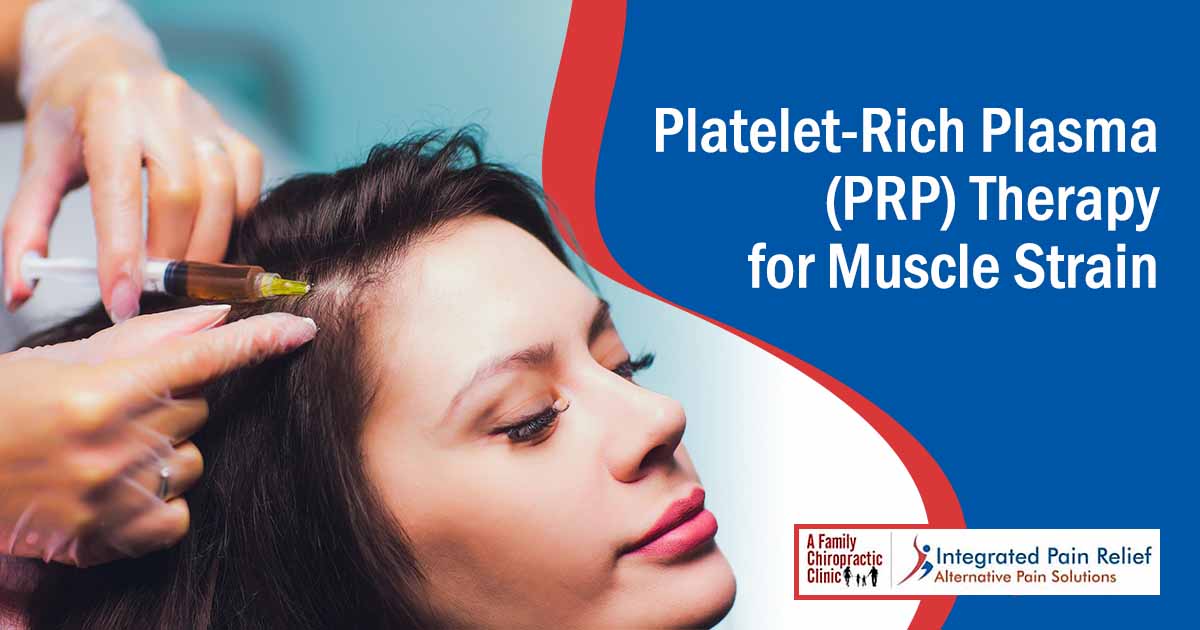
PRP therapy is a regenerative treatment that leverages the body’s natural healing capabilities. The process begins by drawing a small amount of the patient’s blood, which is then processed in a centrifuge to isolate platelets. These platelets are concentrated into a solution and injected directly into the injured muscle tissue. Platelets release growth factors that stimulate cell repair, reduce inflammation, and promote tissue regeneration.
Steps in the PRP Therapy Process
- Blood Collection: A small sample of blood is taken from the patient.
- Centrifugation: The blood is spun at high speeds to separate the platelet-rich plasma from other components.
- Injection: The concentrated platelets are injected into the injury site using ultrasound guidance to ensure precision.
Why Platelets Play a Crucial Role in Healing
Platelets are vital in the body’s response to injuries. They contain proteins and growth factors that help repair damaged tissues and accelerate recovery. In PRP therapy, increasing platelet concentration at the site of a muscle strain amplifies the natural healing process, leading to faster and more effective recovery.
Benefits of PRP Therapy for Muscle Strain
Faster Recovery Times
One of the most significant advantages of PRP therapy for muscle strain is its ability to accelerate recovery. By increasing platelet concentration at the site of the injury, PRP therapy promotes quicker tissue regeneration, which can help patients return to their normal activities faster than traditional treatments. Athletes and active individuals benefit from reduced downtime, allowing them to resume their training or sports with minimal delay.
Reduced Risk of Reinjury
Muscle strains can often recur significantly if the initial injury hasn’t fully healed. PRP therapy enhances the healing process by stimulating the regeneration of healthy muscle tissue, which may help reduce the risk of future strains. Strengthening the muscle and surrounding tissue promotes long-term stability, making reinjury less likely.
Natural Healing with Minimal Side Effects
Because PRP therapy uses the patient’s blood, the risk of allergic reactions or complications is extremely low. This natural approach to healing minimizes the side effects commonly associated with pharmaceuticals or invasive surgical procedures. As a result, PRP therapy offers a safe and effective option for treating muscle strains.
Risks and Considerations of PRP Therapy
Potential Side Effects
While PRP therapy is generally considered safe, there are some potential risks and side effects to be aware of. These can include temporary pain or discomfort at the injection site, swelling, and bruising. In rare cases, infections or tissue damage may occur, though these complications are minimal, mainly when performed by trained professionals.
How to Minimize Risks
To minimize the risk of complications, it is crucial to undergo PRP therapy with a qualified healthcare provider experienced in the procedure. Ensuring the process is done under sterile conditions and with proper technique reduces the likelihood of side effects. Additionally, following post-treatment instructions, such as avoiding strenuous activity for a short period, can help ensure a smooth recovery.
Is PRP Therapy Right for You?
PRP therapy may not be suitable for everyone. Individuals with certain health conditions, such as blood disorders or infections, may not be good candidates for the treatment. A thorough consultation with a healthcare provider is necessary to determine if PRP therapy is appropriate for a specific muscle strain. For eligible people, the benefits of faster healing and reduced reinjury risks make it an attractive option.
The Role of PRP Therapy in Athletic Recovery
PRP Therapy for Athletes and Active Individuals
For athletes, muscle strains can be more than just an inconvenience; they can impact performance and delay the competitive season. PRP therapy has gained popularity among athletes because it accelerates healing and reduces recovery time. By promoting quicker tissue regeneration, PRP therapy allows athletes to return to the field or court sooner, minimizing the disruption to their training or competitive schedule.
PRP Therapy in Professional Sports
Many professional athletes have turned to PRP therapy to help recover from muscle strains and other soft tissue injuries. High-profile athletes in sports like football, tennis, and baseball have publicly praised the treatment for its effectiveness. The therapy’s ability to help speed up recovery and enhance performance has made it a go-to option for those seeking to maintain peak physical condition while minimizing downtime.
Incorporating PRP into a Comprehensive Recovery Plan
PRP therapy should be viewed as a part of a broader recovery strategy. While PRP can accelerate healing, it works best with other treatments, such as physical therapy and strength training. A well-rounded recovery plan can help ensure the injury heals correctly and the muscle regains strength and functionality before resuming full activity.
How to Get Started with PRP Therapy for Muscle Strain
Consulting a Healthcare Provider
The first step in exploring PRP therapy for muscle strain is scheduling a consultation with a healthcare provider specializing in regenerative treatments. During this consultation, the provider will evaluate the severity of the injury and discuss the patient’s medical history to determine if PRP therapy is the right option. Addressing any concerns or questions during this meeting is essential to ensure PRP therapy aligns with the patient’s recovery goals.
What to Expect During Treatment
PRP therapy is typically performed outpatient, meaning patients can return home the same day. The treatment is relatively quick, usually taking about 30 to 60 minutes. After blood is drawn and processed, the PRP is injected into the injured muscle under sterile conditions. While mild discomfort may occur during the injection, most patients find the procedure tolerable.
Post-Treatment Care and Recovery
After receiving PRP therapy, patients are generally advised to rest the affected area briefly to begin the healing process. Light activity may be gradually resumed as instructed by the healthcare provider. It’s essential to follow the provider’s recommendations closely to avoid overexertion and maximize the treatment’s benefits. Over the following weeks, patients can expect to experience improved muscle function and reduced pain as the healing progresses.
Contact Us for PRP Therapy Consultation
If you’re experiencing a muscle strain and are considering PRP therapy as a treatment option, contact our clinic today. Our medical professionals will evaluate your condition and guide you through the process to determine if PRP therapy is right for you. Schedule your consultation now and take the first step toward faster recovery and lasting relief from muscle strain.