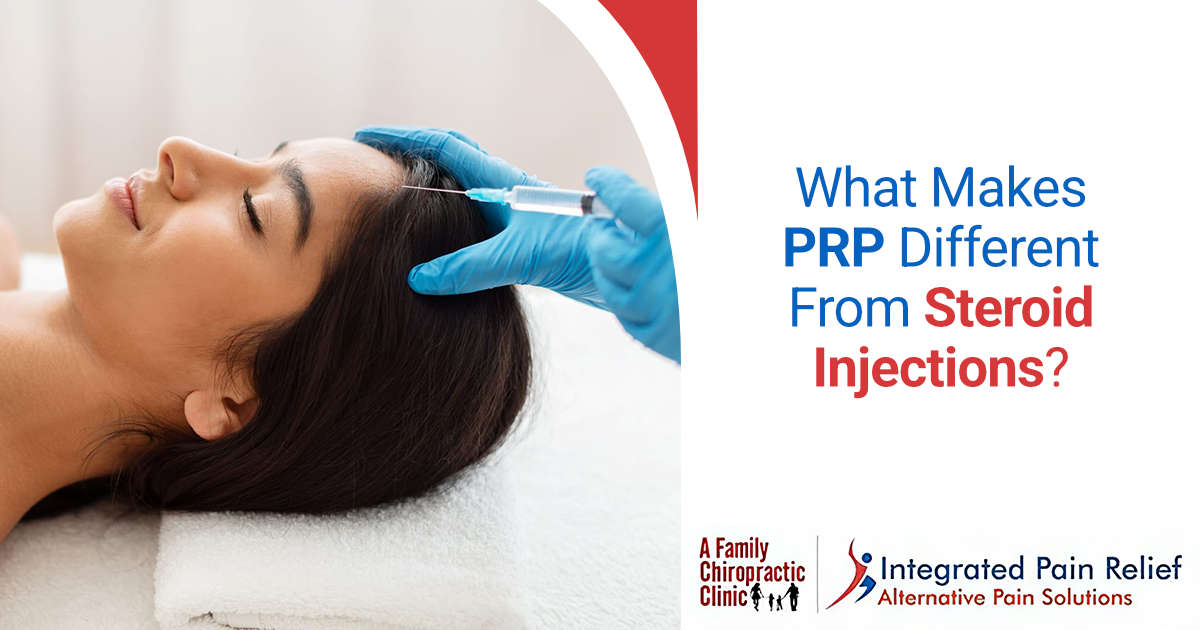
Patients exploring options for managing chronic pain or inflammation are often presented with injectable treatments as part of non-surgical care. Two commonly discussed options are platelet-rich plasma (PRP) therapy and steroid injections. While both are used in similar clinical contexts, they differ significantly in purpose, biological interaction, and long-term treatment philosophy.
Understanding PRP vs steroid injections requires a closer look at how each approach fits within modern pain care, inflammation management, and regenerative medicine strategies. This comparison offers a high-level, educational overview to help patients better understand how these options may align with their treatment goals.
Different Treatment Philosophies in Pain Care
Steroid Injections and Symptom-Focused Care
Steroid injections are primarily designed to manage inflammation. Corticosteroids work by suppressing inflammatory responses in the body, which can reduce swelling, discomfort, and stiffness in targeted areas. Because inflammation is often associated with pain and limited mobility, reducing it can lead to noticeable symptom relief.
These injections are commonly used when inflammation is a major contributor to discomfort. Patients experiencing flare-ups that interfere with daily activities may benefit from the relatively fast-acting nature of steroids. However, this approach is generally considered symptom-focused. Steroid injections do not aim to repair damaged tissue but instead work to quiet the inflammatory response contributing to pain.
PRP Therapy Within Regenerative Medicine
PRP therapy is often discussed within the broader context of regenerative medicine. Rather than focusing on suppressing inflammation, PRP is intended to support the body’s natural healing responses. It relies on biological components already present in the body, particularly platelets that contain growth factors involved in tissue repair.
This approach is often considered by patients interested in non-surgical pain treatments that emphasize recovery and tissue support rather than short-term symptom control. PRP does not function as a quick anti-inflammatory solution but may be used as part of a longer-term strategy focused on biological repair processes.
How Each Treatment Interacts With the Body
Steroid Injections and Inflammation Management
Steroid injections influence the immune system by limiting the production of inflammatory chemicals. This can result in reduced swelling and discomfort in the treated area. Because the mechanism focuses on suppressing inflammation, relief may be experienced relatively quickly following treatment.
However, inflammation also plays a role in the natural healing process. Reducing it does not necessarily contribute to tissue repair. For this reason, clinicians often monitor how frequently steroid injections are used. Their role is typically supportive, helping manage discomfort while other therapies address strength, mobility, or functional improvement.
PRP and the Body’s Healing Response
PRP therapy interacts with the body differently. Instead of suppressing inflammation, it is intended to encourage biological repair pathways. Growth factors associated with platelets are involved in signaling processes that support tissue remodeling and recovery.
Because PRP aligns with the body’s natural healing timeline, changes may develop more gradually. Patients often view this option as one component of a broader care plan that may include physical rehabilitation, movement-based therapy, or lifestyle modifications. More information about this regenerative approach can be found on the clinic’s platelet-rich plasma therapy page:
Short-Term Symptom Relief vs Long-Term Tissue Support
One of the key distinctions in PRP vs steroid injections lies in treatment goals. Steroid injections are typically used to reduce symptoms associated with inflammation, particularly when pain limits function. Their effects are often temporary, making them suitable for managing flare-ups rather than addressing ongoing tissue changes.
PRP therapy, by contrast, is often considered when the goal is to support longer-term tissue health. Rather than masking symptoms, it may help the body respond to tissue stress or degeneration over time. Because of these differences, the two treatments are not interchangeable and may be used at different stages of care.
Timeframe and Patient Expectations
Steroid injections may provide faster symptom improvement, which can be appealing for patients seeking immediate relief. PRP therapy generally requires patience, as changes may develop over weeks or months.
Setting realistic expectations is important for both options. Neither treatment is universally appropriate for all conditions, and outcomes can vary depending on individual health factors, the nature of the condition, and how the treatment fits into a broader care plan.
Role in Non-Surgical Pain Treatments
Steroids as Part of Conservative Care
Steroid injections are frequently included in conservative treatment plans, especially when inflammation is a dominant factor. They may be used alongside physical therapy, activity modification, or other interventions designed to improve function and reduce stress on affected tissues.
Their role is often supportive rather than curative, helping patients manage discomfort while participating in rehabilitative care.
PRP in Integrated Treatment Strategies
PRP therapy is commonly discussed as part of integrative, non-surgical pain treatments. Because it aligns with regenerative medicine principles, it may be incorporated into broader strategies aimed at improving tissue resilience and functional recovery.
Rather than replacing other treatments, PRP is often viewed as complementary, supporting recovery efforts already underway through rehabilitation or movement-based care.
Safety and Clinical Considerations
Frequency and Monitoring
Steroid injections are typically administered with limits on frequency to reduce potential tissue-related concerns. Clinicians carefully evaluate how often they are used and in what context.
PRP therapy involves different considerations, as it does not rely on synthetic anti-inflammatory agents. Even so, patient suitability and expectations should be reviewed thoroughly to ensure the treatment aligns with overall care goals.
Individualized Decision-Making
Choosing between PRP and steroid injections depends on multiple factors, including the underlying condition, symptom severity, patient preferences, and overall health. A qualified healthcare provider can help determine which approach, if any, may be appropriate within a personalized treatment plan.
Discussing Injection Options With a Provider
Patients considering injections for chronic pain or inflammation benefit from discussing both symptom-focused and regenerative options with a healthcare professional. Understanding how PRP therapy and steroid injections differ in purpose, timeline, and biological interaction can support informed decision-making as part of a comprehensive, non-surgical approach to care.
Considering Your Injection Options? Start With a Conversation
Deciding between PRP therapy and steroid injections is a personal choice that benefits from professional guidance. A knowledgeable provider can help explain how each option fits into a non-surgical pain management plan based on individual goals and health history.
Call today to speak with a provider: 940-566-0000 or prefer to reach out online? or Visit the contact form to request more information or schedule a consultation:
Taking the next step begins with a simple conversation—connect today to explore informed care options designed around you.