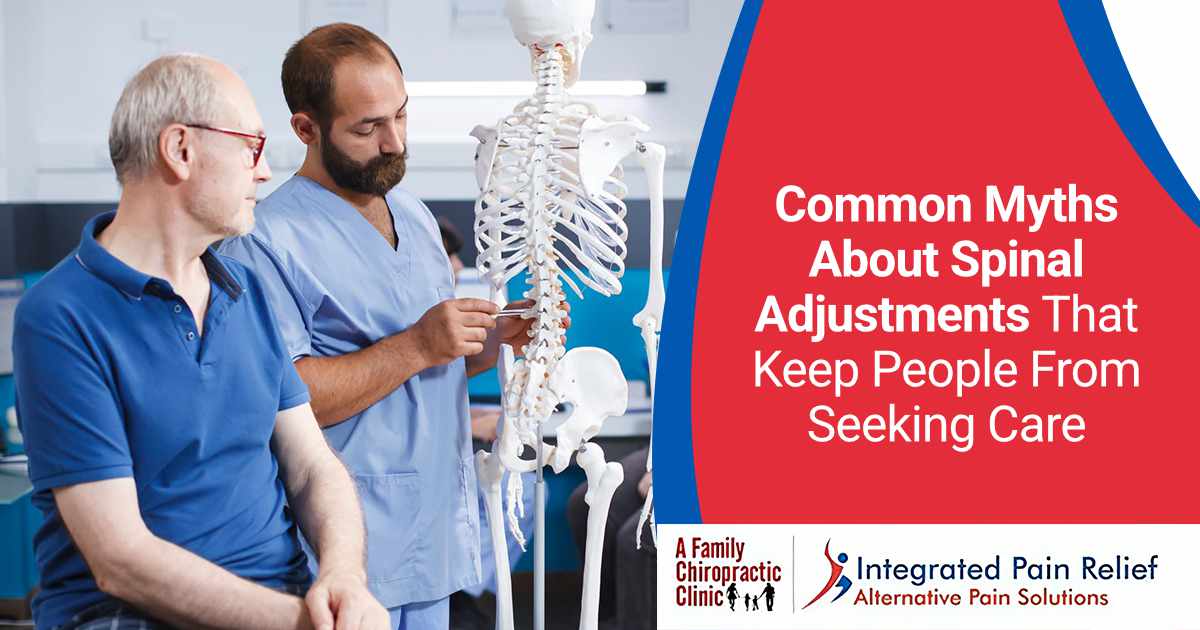
The spine and nervous system work together to support how the body functions, adapts, and maintains internal balance. Beyond posture or pain, the spine’s main role is neurological, protecting the spinal cord and facilitating continuous communication between the brain and body. This communication affects coordination, regulation, and awareness, even when pain is not present.
Many adults experience tension, stress-related symptoms, or unexplained discomfort without connecting these issues to spinal health. Often, these concerns reflect reduced efficiency in nervous system communication, where changes in spinal movement or alignment alter how the body responds to physical and emotional demands.
Key concepts that support this systems-based view include:
- The spine’s role in protecting and organizing nervous system pathways
- How communication between the brain and body supports coordination and balance
- Why subtle spinal changes can influence overall nervous system function
Understanding how the spine and nervous system interact provides a clearer framework for addressing health concerns that are difficult to explain solely through pain or injury.
The Spine and Nervous System as a Central Communication Network
The spine and nervous system act as a central communication network, connecting the brain to every part of the body. The spinal cord carries nerve signals that regulate movement, sensation, and involuntary functions like heart rate and digestion. This communication is continuous, with sensory information traveling to the brain and responses sent back to coordinate posture, balance, and internal regulation.
The spine protects and organizes these pathways, with each segment supporting nerves tied to specific body regions. When spinal motion or alignment changes, the quality of sensory input can shift, prompting compensatory patterns that gradually affect muscle tone, movement efficiency, and stress response—even without pain.
This communication process can be summarized as follows:
- Sensory input travels from the body to the brain through spinal pathways
- The brain processes this information and determines appropriate responses
- Motor and regulatory signals travel back through the spine to the body
When spinal movement is balanced and adaptable, nervous system communication tends to be more efficient. When movement is restricted or inconsistent, the nervous system may rely on less efficient strategies. This explains why spinal health supports regulation and coordination beyond comfort alone.
Nervous System Function and the Role of Spinal Protection
Nervous system function relies on accurate transmission of information, with the spinal cord acting as a central relay between the brain and body. Sensory signals travel to the brain while motor and regulatory signals return, allowing the body to respond effectively to internal and external demands.
The spine protects the spinal cord while enabling controlled movement, with each vertebra contributing to both stability and flexibility. When spinal motion is limited or uneven, sensory input can become distorted, affecting how the brain coordinates posture, movement, and internal regulation. These changes often appear subtly as reduced adaptability, slower stress recovery, or increased baseline tension, rather than overt pain.
Spinal protection supports nervous system function through:
- Shielding the spinal cord from mechanical stress
- Allowing balanced motion to support accurate sensory input
- Maintaining efficient coordination and regulation
From a systems-based perspective, spinal health supports the nervous system’s ability to maintain balance across multiple body systems, even when pain is not the primary concern.
Spinal Alignment and Communication Between Brain and Body
Spinal alignment directly influences how the brain and body communicate, with the nervous system relying on consistent sensory feedback from joints, muscles, and connective tissues. This information allows the brain to coordinate posture and movement without constant conscious effort.
When alignment is altered, sensory input can become inconsistent, affecting movement organization and internal regulation. These changes may not cause pain but can lead to stiffness, uneven muscle use, and reduced coordination, while compensatory patterns increase effort and tension. Inefficient communication can also keep the body in a heightened state of readiness, limiting smooth transitions between activity and recovery.
Some individuals explore chiropractic spinal care as one approach to supporting spinal alignment and maintaining clear communication between the spine and nervous system. This perspective emphasizes coordination and regulation rather than symptom relief. Additional context on this approach can be found through chiropractic spinal care resources that discuss spinal alignment and nervous system interaction.
Understanding spinal alignment as part of a communication system helps reframe health concerns and highlights the importance of adaptability rather than isolated structural issues.
The Spine and Nervous System in the Stress Response
The spine and nervous system are central to the body’s stress response, with the autonomic nervous system regulating heart rate, digestion, and breathing through spinal pathways. These signals coordinate responses to physical, emotional, and environmental stressors.
Chronic stress can alter posture, muscle tone, and breathing, affecting spinal movement and the sensory input sent to the brain. When this input is inconsistent, the nervous system may remain in a heightened state of alert, reinforcing tension and limiting movement options. Supporting spinal movement and nervous system feedback helps the body process and recover from stress more efficiently.
Communication Between Brain and Body and Whole-Body Awareness
Clear communication between the brain and body is essential for whole-body awareness, helping individuals recognize signals like fatigue, emotional shifts, or the need for rest before symptoms escalate. The nervous system relies on spinal input to interpret these signals accurately.
When spinal input is altered, the nervous system may focus on stability over awareness, reducing sensitivity to subtle cues and increasing reliance on compensatory patterns. This can affect coordination and balance, making movements feel less efficient or more effortful even without injury. Supporting communication between the brain and body helps maintain adaptability across physical, emotional, and physiological systems.
Supporting Spinal Alignment Within a Systems-Based Approach
Supporting spinal alignment from a systems-based perspective focuses on patterns rather than isolated symptoms, considering how movement habits, posture, and stress influence spinal input to the nervous system. This approach prioritizes adaptability and communication over correction.
When spinal movement provides consistent input, the nervous system can regulate more efficiently, supporting coordination, stress tolerance, and overall body awareness. Daily habits like prolonged sitting, repetitive motions, and limited movement variety can affect nervous system signaling over time, so addressing these patterns promotes long-term regulation. This perspective highlights why spinal health matters even without pain and supports resilience across body systems.
The Spine and Nervous System Beyond Symptom Management
Looking at the spine and nervous system beyond symptom management changes how health concerns are interpreted. Instead of focusing on where discomfort appears, attention shifts to how well the body is coordinating and adapting. Symptoms are viewed as secondary signals rather than primary problems.
The nervous system constantly evaluates spinal input to guide responses. When this input is clear, the body adjusts efficiently. When it is inconsistent, protective strategies may dominate, increasing effort and limiting movement options over time.
This perspective encourages proactive attention to regulation and awareness, supporting function regardless of whether pain is present.
Integrating Awareness, Regulation, and Nervous System Function
Integration is central to nervous system function. Physical structure, sensory input, and neurological processing are continuously interacting. The spine supports this integration by allowing both movement and communication.
Awareness helps identify patterns early, while regulation allows smooth transitions between activity and recovery. Spinal input influences both processes, making spinal health relevant to coordination, focus, and adaptability.
This integrated framework supports a broader understanding of health that prioritizes communication and regulation over symptom management alone.
Schedule a Consultation to Explore Nervous System–Focused Spinal Support
Adults experiencing ongoing tension, stress-related symptoms, or unexplained discomfort may benefit from learning how spinal health relates to nervous system regulation and communication between the brain and body. To speak directly with the care team, call 940-566-0000 or request an appointment using the secure contact form. Taking the next step can provide clarity around spinal alignment, nervous system function, and long-term regulation support.