
Massage therapy uses hands-on techniques to work with muscles and other soft tissues of the body. Depending on the approach used, massage may be intended to reduce muscle tension, support mobility, promote relaxation, or address areas of soft tissue discomfort. The techniques and pressure can be adjusted according to the individual's needs and the purpose of the session.
Massage therapy can be used as part of an overall approach to physical comfort and movement. Some people seek massage for muscle tension or stiffness, while others may use it to support relaxation and general physical well-being. The appropriate approach depends on the individual's goals, physical condition, and response to treatment.

What Is Massage Therapy?
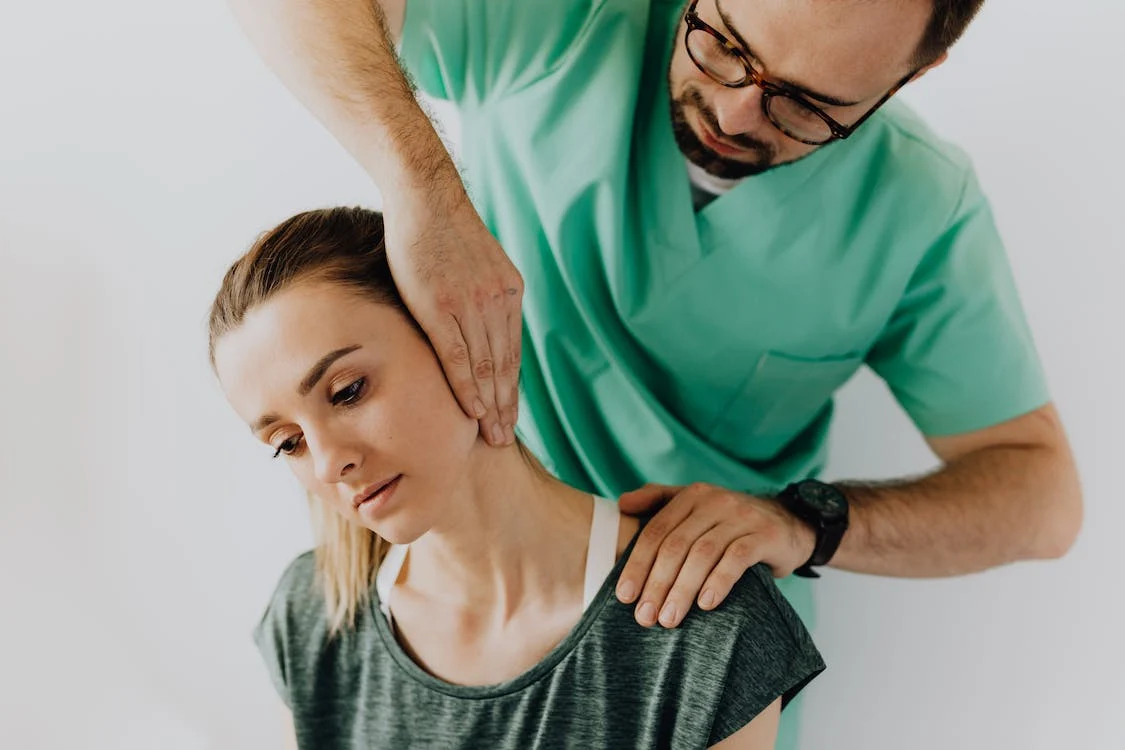
Massage therapy involves hands-on manipulation of soft tissues such as muscles and other connective tissues. Different techniques can be used to apply varying levels of pressure and movement to specific areas of the body. The approach can be adapted depending on the areas being addressed and the desired outcome of treatment.
Massage does not have to follow one standard technique or pressure level. Some approaches use lighter pressure and slower movements, while others use more focused techniques to address areas of muscle tension or stiffness. The appropriate technique depends on the individual's needs and the type of massage being provided.
What Does Massage Therapy Focus On?

Massage therapy can focus on different aspects of physical comfort and soft tissue function. Treatment may be directed toward areas where muscle tension, stiffness, or discomfort is affecting movement or comfort. The areas addressed can vary from one person to another.
Muscle Tension
Muscle tension can develop when muscles remain contracted or are subjected to repeated physical demands. Massage techniques may be used to work directly with areas of muscular tension and encourage greater relaxation of the affected tissues. The amount of pressure and type of technique can be adjusted according to how the individual responds.
Soft Tissue Discomfort
Massage may also be used when discomfort is associated with muscles or other soft tissues. Treatment can focus on specific areas that feel tight, restricted, or uncomfortable. The approach may be modified depending on the location and nature of the discomfort.
Mobility and Movement
Muscle tension and soft tissue stiffness can sometimes affect how comfortably a person moves. Massage may be incorporated to address areas of soft tissue restriction that may be contributing to limited or uncomfortable movement. It can be used alongside other appropriate approaches when broader movement concerns are being addressed.
Relaxation
Massage therapy can also support physical relaxation. Gentle or moderate techniques may help reduce muscular tension and create a more relaxed physical state. The pressure and pace can be adjusted depending on whether relaxation is one of the primary goals of the session.
What Techniques Are Used in Massage Therapy?
Massage therapy can involve different techniques depending on the purpose of treatment and the areas being addressed. Some techniques involve broad, flowing movements, while others use more focused pressure on specific areas. The choice of technique can be adjusted based on the individual's needs and tolerance.
Common approaches may include:
- Gliding or flowing strokes
- Kneading and compression
- Focused soft tissue work
- Friction techniques
- Pressure applied to areas of muscle tension
- Stretching or movement incorporated into treatment
Not every technique is appropriate for every person or every situation. The intensity and duration of a technique may be modified based on how the individual responds. A massage session can therefore vary depending on the goals and physical needs being addressed.
How Does Massage Therapy Work?
Massage therapy applies controlled hands-on pressure and movement to soft tissues. These techniques can influence how the treated tissues feel and move during and after a session. The response to massage can vary depending on the individual, the techniques used, and the area being treated.
Massage may help reduce the sensation of muscular tightness and promote physical relaxation. Working with soft tissues can also make certain movements feel more comfortable when muscle tension or stiffness is contributing to discomfort. These effects can vary from person to person and are not necessarily the same after every session.
What Happens During a Massage Therapy Session?
A massage session generally begins with a discussion of the individual's goals and the areas they would like addressed. The practitioner can use this information to determine an appropriate approach to the session. Factors such as pressure, positioning, and the areas being treated can be adjusted as needed.
During the session, hands-on techniques are applied to selected areas of the body. The pressure and technique may change depending on the tissues being addressed and the individual's response. Communication during the session can help ensure that the treatment remains appropriate and comfortable.
After the session, the individual may notice changes in muscle tension, comfort, or relaxation. Responses can differ depending on the type and intensity of massage used. Some people may experience temporary tenderness after more focused soft tissue work, particularly when deeper pressure has been applied.
Massage Therapy for Muscle Tightness and Stiffness
Massage therapy may be used when muscle tightness or stiffness makes certain areas of the body feel uncomfortable. Focused hands-on techniques can be directed toward muscles that feel tense or restricted. The treatment can be adjusted according to the individual's tolerance and the areas being addressed.
Muscle tightness can affect comfort during everyday activities and movement. Addressing areas of tension may help make movement feel more comfortable for some individuals. Massage is one approach that may be considered when soft tissue tension is part of the concern.
Massage Therapy and Physical Activity
Physical activity can place repeated demands on muscles and other soft tissues. Massage may be used to address areas of muscular tension or stiffness that develop with physical activity. The appropriate timing and intensity depend on the individual's activity level and physical condition.
Massage should not be viewed as a substitute for appropriate recovery, exercise progression, or evaluation when an injury is suspected. Instead, it may serve as one component of a broader approach to maintaining physical comfort. The appropriate use of massage depends on the individual's circumstances and goals.
Massage Therapy for Relaxation and Physical Comfort
Massage therapy can be used for more than focused soft tissue work. Some people seek massage primarily for relaxation and the temporary relief of muscular tension. Lighter techniques and a slower pace may be appropriate when relaxation is the primary goal.
The experience of massage can vary depending on the techniques used and the individual's preferences. Pressure that feels comfortable for one person may not be appropriate for another. Communicating about pressure and comfort can help make the session better suited to the individual's needs.
When May Massage Therapy Be Appropriate?
Massage therapy may be considered when someone is experiencing concerns such as:
- Muscle tension
- Soft tissue stiffness
- General muscular discomfort
- Limited comfort with movement
- Physical tension associated with activity
- A need for relaxation
- Areas of muscular tightness following physical activity
Massage may not be appropriate for every condition or circumstance. Certain injuries, medical conditions, or unexplained symptoms may require evaluation before massage is considered. When there is uncertainty about whether massage is appropriate, an appropriate healthcare professional can help determine the next step.
What to Expect From Massage Therapy
Massage therapy is generally adjusted to the individual's goals, physical condition, and tolerance. A session may use lighter techniques for relaxation or more focused techniques for areas of muscular tension and soft tissue discomfort. The approach can also change from one session to another as the individual's needs change.
Massage is not intended to produce the same result for everyone. Some individuals may notice changes in muscle tension or relaxation after a session, while others may respond differently. Understanding the purpose of treatment and communicating about comfort can help establish realistic expectations.
Ready to Learn More About Massage Therapy?
If you have questions about massage therapy or whether it may be appropriate for your needs, contact A Family Chiropractic Clinic to learn more about available treatment options and what to expect. The appropriate massage approach can vary depending on your goals, physical condition, and tolerance. Learning more about the process can help you understand how massage therapy may fit into your overall approach to physical comfort and movement.