
Heat therapy uses controlled warmth to address areas of muscle tension, stiffness, or physical discomfort. Applying heat may help relax muscles and make movement feel more comfortable in appropriate situations. The type, temperature, and duration of heat used can vary depending on the individual's needs and the area being treated.
Heat therapy may be used as part of an overall approach to physical comfort and mobility. It can be particularly useful when muscle tightness or stiffness is contributing to discomfort or making movement difficult. The appropriate use of heat depends on the individual's condition and the reason for treatment.

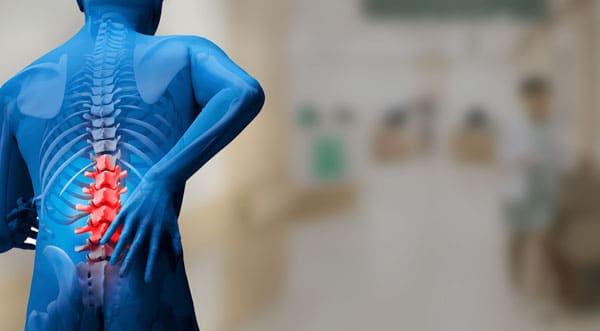
What Is Heat Therapy?
Heat therapy involves applying a controlled source of warmth to an area of the body for a specific period of time. Different methods can provide different levels and types of heat depending on how they are applied. The approach can be adjusted based on the area being treated and the individual's tolerance.
Heat may create a warming sensation that helps muscles feel more relaxed and comfortable. This can make certain movements easier when stiffness or muscular tension is affecting mobility. The response to heat can vary depending on the individual and the circumstances being addressed.
What Does Heat Therapy Focus On?

Heat therapy is generally focused on areas where warmth may help with muscle tension, stiffness, or physical discomfort. It can be applied to specific areas rather than necessarily being used over the entire body. The appropriate area and method depend on the individual's needs.
Muscle Tension
Muscles can become tense or tight following physical activity, prolonged positioning, or other physical demands. Applying controlled warmth may help muscles relax and may make areas of tension feel more comfortable. The amount of heat and length of application can be adjusted according to the individual's tolerance.
Stiffness
Stiffness can make movement feel restricted or uncomfortable. Heat may help an area feel more relaxed before movement or other appropriate physical activity. Its use should depend on the reason for the stiffness and whether heat is appropriate for the situation.
Comfort and Mobility
Heat therapy may be used when muscular tension or stiffness is affecting physical comfort and movement. Relaxing a tense area may make certain movements feel easier or more comfortable for some individuals. Heat is generally one component of care rather than a solution for every cause of pain or restricted movement.
How Does Heat Therapy Work?
Heat therapy applies warmth to the tissues in the area being treated. The sensation of warmth can promote relaxation and may temporarily change how an area feels. Individual responses can differ depending on the amount of heat used, the duration of treatment, and the condition being addressed.
Heat may be particularly useful when muscle tension or stiffness contributes to discomfort. By helping an area feel warmer and more relaxed, heat may make movement more comfortable in appropriate circumstances. These effects are not necessarily the same for everyone or for every type of physical complaint.
What Types of Heat Therapy Are Used?
Heat therapy can be delivered through several different methods. The method selected can depend on the area being treated, the desired level of warmth, and the individual's tolerance. Common approaches include:
- Heating pads
- Hot packs
- Moist heat packs
- Warm towels
- Other controlled sources of therapeutic warmth
The temperature and duration should be appropriate for the method being used. Heat that is too intense or applied for too long can cause discomfort or skin injury. The approach should therefore be adjusted according to the individual's circumstances and tolerance.
What Happens During a Heat Therapy Session?
A heat therapy session generally begins with determining the area to be treated and whether heat is appropriate for the individual's situation. The source of heat is then applied for an appropriate amount of time and at a suitable temperature. The individual may experience a gradual warming sensation as the treatment is applied.
The area can be monitored during treatment for comfort and tolerance. Heat intensity or positioning may be adjusted when necessary. The specific process can vary depending on the method being used and the purpose of treatment.
After treatment, the area may feel warmer or more relaxed for a period of time. Some people may notice that movement feels more comfortable after the muscles have relaxed. The response can vary from person to person.
Heat Therapy for Muscle Tightness and Stiffness
Heat therapy may be considered when muscle tightness or stiffness is contributing to physical discomfort. Controlled warmth can help an area feel more relaxed and may make movement more comfortable. The usefulness of heat depends on what is causing the tightness or stiffness.
Heat may be used before appropriate movement or other physical activity when warmth and relaxation are beneficial. It can also be used as part of a broader approach to managing physical comfort. The appropriate timing and duration depend on the individual's circumstances.
Heat Therapy and Mobility
Stiff or tense muscles can sometimes make movement feel less comfortable. Heat therapy may help an area feel more relaxed, which can support more comfortable movement for some individuals. It does not directly address every possible cause of limited mobility.
When heat is appropriate, it may be incorporated alongside movement or other appropriate care. The purpose is to use warmth in a way that supports the individual's physical needs. The approach can be adjusted depending on how the person responds.
When May Heat Therapy Be Appropriate?
Heat therapy may be considered when an individual is experiencing concerns such as:
- Muscle tension
- Muscle stiffness
- General muscular discomfort
- Stiffness affecting comfortable movement
- Physical tension following activity
- A need for physical relaxation
Heat is not appropriate for every injury, condition, or type of pain. The timing and method of heat application can depend on the nature of the problem and the individual's circumstances. When the cause of pain or stiffness is unclear, appropriate evaluation may be needed before using heat therapy.
When Should Heat Therapy Be Used With Caution?
Heat therapy should be used carefully because excessive heat or prolonged exposure can irritate or injure the skin. Individuals may also have circumstances in which heat is not appropriate or should be used only with professional guidance. The appropriate approach depends on the person's condition and ability to safely tolerate heat.
It is important to follow appropriate temperature and duration guidelines when applying heat. A comfortable level of warmth does not need to be intense to be useful. If heat causes pain, burning, unusual discomfort, or other concerning symptoms, it should be discontinued and the situation should be appropriately evaluated.
What to Expect From Heat Therapy
Heat therapy is generally a straightforward treatment that uses controlled warmth for a specific purpose. Depending on the reason for treatment, it may be used to promote relaxation, address muscle tension, or make movement feel more comfortable. The method and duration can vary according to the individual's needs.
The effects of heat can differ from one person to another. Some people may notice temporary changes in muscle tension, stiffness, or comfort after treatment, while others may respond differently. Heat therapy should therefore be viewed as one possible approach rather than a guaranteed solution for pain or other symptoms.
Ready to Learn More About Heat Therapy?
If you have questions about heat therapy or whether it may be appropriate for your needs, contact A Family Chiropractic Clinic to learn more about available treatment options and what to expect. The appropriate use of heat can vary depending on your physical condition, symptoms, and tolerance. Learning more about the process can help you understand how heat therapy may fit into an overall approach to physical comfort and mobility.