
Physical rehabilitation is a structured approach to restoring physical function, rebuilding physical capacity, and improving movement after an injury, illness, surgery, or other physical limitation. It may address several aspects of physical function at the same time, including strength, mobility, balance, coordination, endurance, and the ability to perform everyday activities. The goal is to support progressive improvement in the physical abilities needed for movement and daily activities.
The goal of physical rehabilitation is to support progressive improvement so that physical abilities can be developed and functional activities can become easier to perform. Treatment can be adjusted as physical abilities and functional goals change. This allows the rehabilitation process to remain appropriate as recovery progresses.
What Is Physical Rehabilitation?
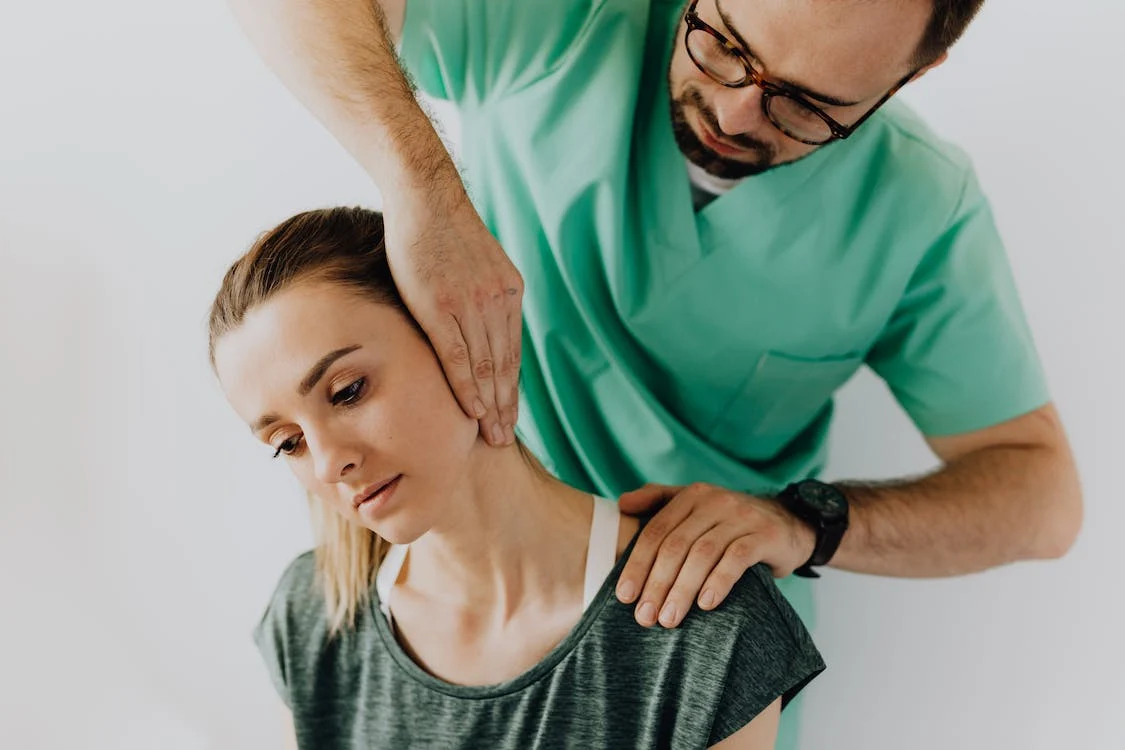
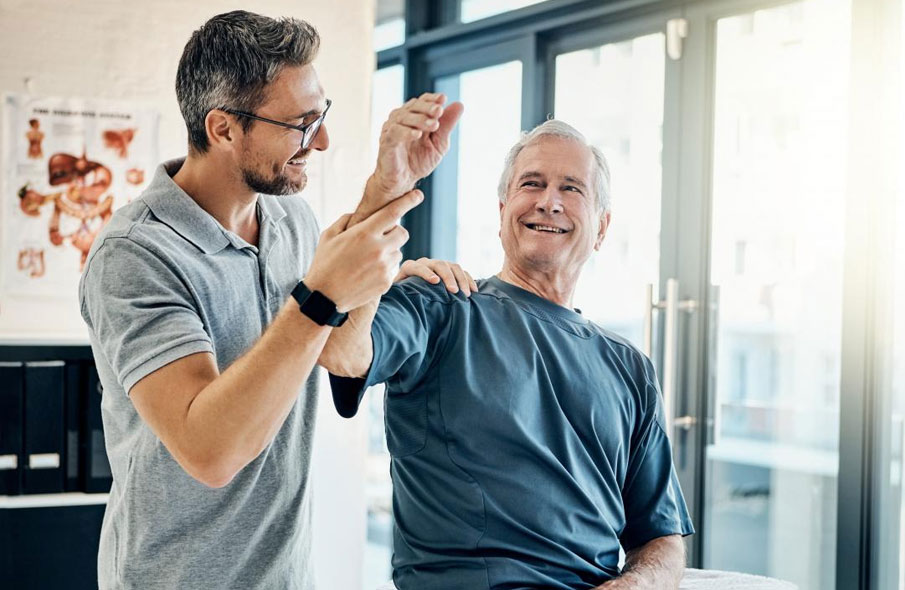
Physical rehabilitation involves structured treatment and exercises designed to help restore or improve physical abilities. The specific activities used can vary depending on the areas of physical function being addressed. Treatment may be adjusted as an individual's abilities and goals change.
A rehabilitation program may be used when physical function has been affected by an injury, medical condition, surgery, prolonged inactivity, or another limitation. Treatment is typically organized around specific functional goals and adjusted as physical abilities change. The program may address several related areas of physical performance as part of the recovery process.
Rather than focusing on only one aspect of movement, physical rehabilitation may address several related areas of physical performance as part of a broader recovery process. These areas can include strength, mobility, balance, coordination, and endurance. The specific focus depends on the individual's physical needs and functional goals.
What Does Physical Rehabilitation Focus On?

Physical rehabilitation can address multiple components of physical function depending on an individual's needs and goals. The areas addressed may vary from person to person. Treatment can be structured around the physical abilities that are most relevant to the individual's functional needs.
Restoring Physical Function
Rehabilitation may focus on improving the ability to perform movements and activities that have become difficult because of injury, illness, weakness, or limited mobility. Treatment can be structured around gradually rebuilding the physical abilities needed for everyday tasks and other functional activities. The specific activities may change as physical abilities improve.
Rebuilding Strength
Reduced activity or physical limitations can affect muscle strength. Rehabilitation exercises may progressively challenge muscles to help rebuild strength and support functional movement. Exercises can be adjusted as strength and tolerance improve.
Improving Mobility
Limited mobility can affect how a person moves and performs daily activities. Physical rehabilitation may include exercises and movement activities designed to improve range of motion, flexibility, and overall movement ability. Mobility work can be incorporated into a broader rehabilitation program based on the individual's functional needs.
Improving Balance and Coordination
Balance and coordination are important components of physical function. Rehabilitation may include activities that challenge stability, body control, and coordinated movement. These activities can be progressed as physical control and confidence improve.
Building Physical Capacity
Physical rehabilitation can also focus on gradually increasing the body's ability to tolerate physical activity. This may involve working on endurance, strength, mobility, coordination, or other physical capacities. The specific areas addressed depend on the individual's needs and functional goals.
What Happens During Physical Rehabilitation?
A physical rehabilitation program generally begins with an evaluation of current physical abilities, limitations, and functional goals. The rehabilitation process may include:
- Evaluating movement and physical function
- Identifying areas of weakness or limitation
- Establishing functional goals
- Developing a structured treatment plan
- Performing guided exercises and movement activities
- Progressively increasing activity as appropriate
- Reassessing physical function and adjusting the program
The specific approach depends on the individual's physical condition, goals, and response to treatment. Different aspects of the program may be adjusted as physical abilities change. This helps keep the rehabilitation process appropriate to the individual's needs.
Physical Rehabilitation Exercises
Exercises are often an important part of physical rehabilitation. The exercises selected depend on the physical abilities and functional goals being addressed. A rehabilitation program may include exercises involving:
- Strength
- Flexibility
- Mobility
- Balance
- Coordination
- Endurance
- Functional movement
Exercises can be modified to match the individual's current abilities and progressed as physical capacity improves. The level of challenge may change as the individual becomes more capable. This allows exercises to remain appropriate throughout the rehabilitation process.
Physical Rehabilitation and Functional Activities
Physical rehabilitation is not limited to isolated exercises. It can also involve movement patterns and activities that relate to everyday physical function. Depending on the goals of the program, rehabilitation may address activities such as:
- Standing and sitting
- Walking
- Bending and reaching
- Maintaining balance
- Moving between different positions
- Performing repetitive physical activities
- Returning to appropriate physical activities
Connecting exercises to functional activities can help make the rehabilitation process relevant to the movements and tasks an individual needs to perform. The activities selected depend on the person's functional goals. They may also change as physical abilities improve.
Physical Rehabilitation After Injury or Surgery
An injury or surgical procedure can temporarily affect strength, mobility, coordination, endurance, or other aspects of physical function. Physical rehabilitation may provide a structured process for gradually rebuilding these abilities. The progression of rehabilitation depends on the nature of the limitation and the individual's recovery.
Activities may begin at an appropriate level and become more challenging as physical function improves. Exercises and movement activities can be adjusted as recovery progresses. The specific approach depends on the individual's physical abilities and functional needs.
Physical Rehabilitation for Ongoing Physical Limitations
Physical rehabilitation may also be used when physical limitations continue over time. A structured program can focus on maintaining or improving physical abilities, developing strength and mobility, and supporting functional activity. Treatment goals may change as physical abilities change, allowing the rehabilitation process to be adjusted over time.
How Physical Rehabilitation Programs Progress
Progression is an important part of physical rehabilitation. Exercises and activities may become more challenging as strength, mobility, balance, endurance, or coordination improve. Progression may involve changes such as:
- Increasing exercise difficulty
- Adding repetitions or activity
- Introducing more complex movements
- Increasing functional demands
- Improving movement control
- Gradually increasing physical activity
Progress should be appropriate to the individual's condition and response to treatment rather than based on a fixed progression for everyone. Activities can be adjusted when physical abilities or tolerance change. This allows the rehabilitation process to progress at an appropriate level.
Education During Physical Rehabilitation
Education can be an important part of rehabilitation. Understanding physical limitations, exercises, movement strategies, and activity progression can help individuals participate more effectively in their recovery. Depending on the rehabilitation program, education may address exercise technique, movement habits, activity levels, and ways to approach physical activities appropriately.
When May Physical Rehabilitation Be Appropriate?
Physical rehabilitation may be appropriate when physical function or physical capacity has been affected by circumstances such as:
- Injury
- Surgery
- Illness
- Reduced physical activity
- Muscle weakness
- Limited mobility
- Balance or coordination difficulties
- Reduced physical endurance
- Difficulty performing everyday physical activities
The appropriate approach depends on the individual's condition, functional limitations, and goals. The areas addressed can vary depending on the person's physical abilities and circumstances. A rehabilitation program may therefore be adjusted to reflect changing functional needs.
What to Expect From Physical Rehabilitation
Physical rehabilitation is generally a progressive process rather than a single treatment session. The program may involve an initial evaluation, development of functional goals, guided exercises, movement activities, and ongoing adjustments based on progress. As physical abilities improve, exercises and activities may be modified to provide an appropriate level of challenge.
The overall focus is on progressively improving physical function and building the capacity needed for movement and daily activities. The specific focus of rehabilitation can vary according to the individual's needs and goals. Progress is generally considered in relation to changes in physical abilities and functional activity.
Ready to Learn More About Physical Rehabilitation?
If you have questions about physical rehabilitation or how a structured approach to restoring physical function may fit your needs, contact A Family Chiropractic Clinic to learn more about available treatment options and what to expect. The specific approach can vary depending on physical limitations and functional goals. Learning more about the process can help you understand what may be involved in physical rehabilitation.